
What you don't see is what matters most — How every Altora lot is born
At Altora there are no secrets. Every cup that reaches your hands went through a rigorous, honest, and traceable process — from the first cherry picked to the final package. This is how specialty coffee is made when respect for the bean and for the people who grow it isn’t a slogan — it’s a practice.
Cherry harvest
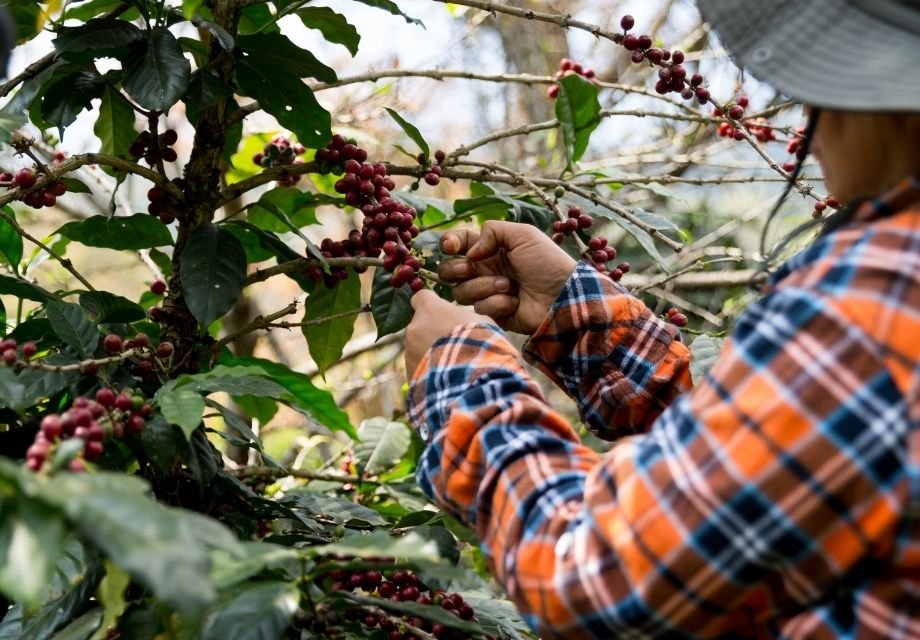
Everything starts by hand. At Finca El Vergel, every cherry is selectively picked by grower Jairo L. Benavides — one by one, choosing only those that have reached their exact ripeness. This first step determines the quality of everything that follows.
Cherry harvest
Everything starts by hand. At Finca El Vergel, every cherry is selectively picked by grower Jairo L. Benavides — one by one, choosing only those that have reached their exact ripeness. This first step determines the quality of everything that follows.
Optimal ripeness selection
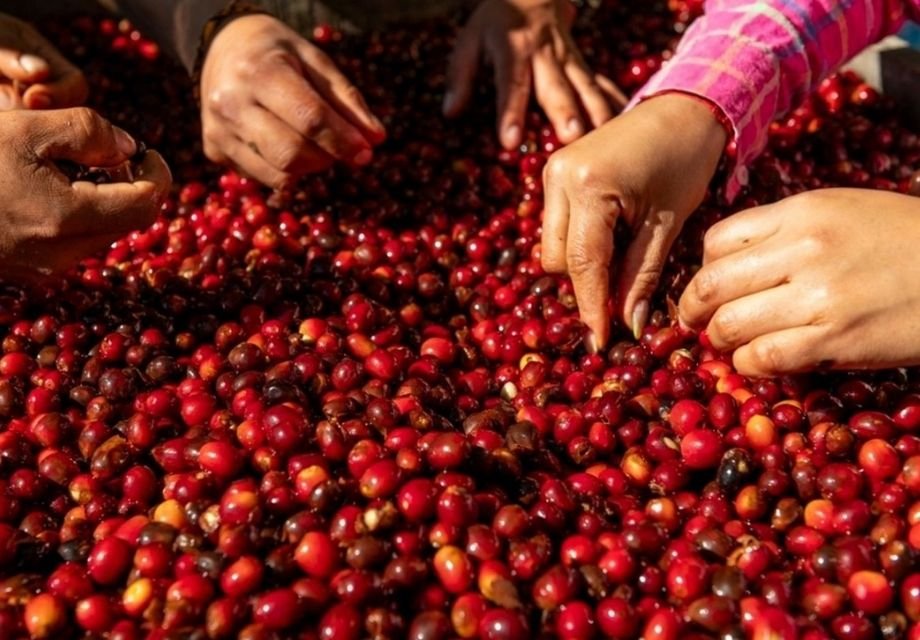
Once harvested, the cherries go through a rigorous sorting process. Unripe, overripe, and defective ones are removed. Only optimally ripe cherries move forward — because an exceptional lot starts with exceptional raw material.
Optimal ripeness selection
Once harvested, the cherries go through a rigorous sorting process. Unripe, overripe, and defective ones are removed. Only optimally ripe cherries move forward — because an exceptional lot starts with exceptional raw material.
Cherry washing and cleaning
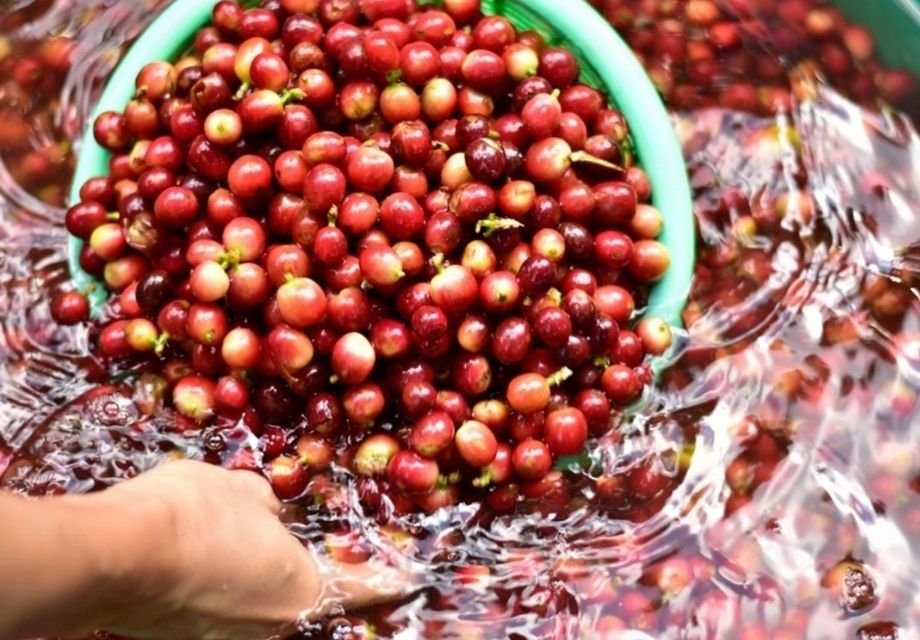
The selected cherries are washed with clean water to remove impurities, field residue, and any external element that could affect fermentation. A simple but essential step to ensure process cleanliness from the very start.
Cherry washing and cleaning
The selected cherries are washed with clean water to remove impurities, field residue, and any external element that could affect fermentation. A simple but essential step to ensure process cleanliness from the very start.
Packaging for fermentation
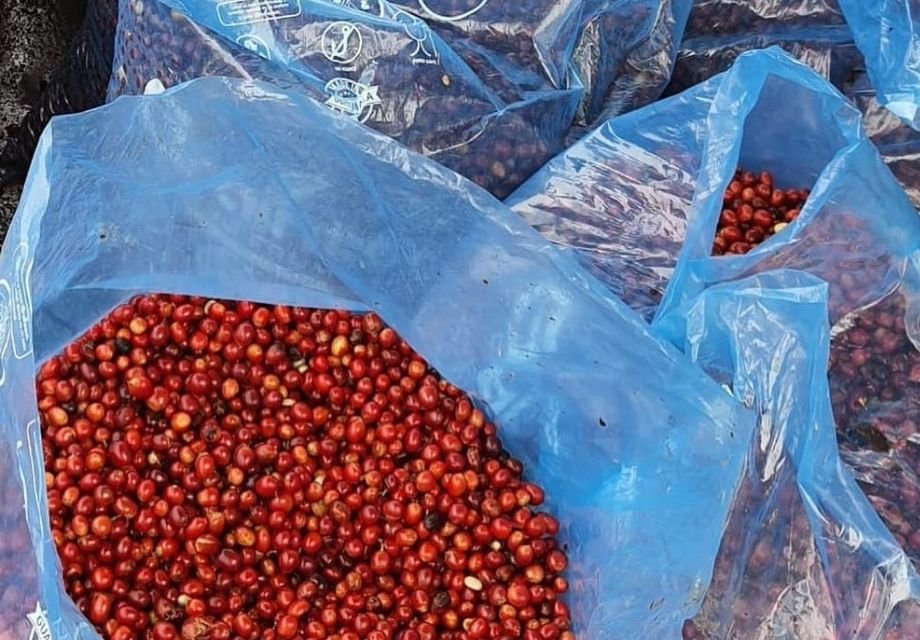
The clean cherries are packed to begin fermentation. Depending on the lot, the process may be aerobic — in contact with oxygen, enhancing bright fruity notes — or anaerobic — in an oxygen-free environment, developing more intense, complex, and exotic profiles. In both cases, the cherry’s natural microorganisms transform the mucilage sugars into the aromatic compounds that will define the cup.
Packaging for fermentation
The clean cherries are packed to begin fermentation. Depending on the lot, the process may be aerobic — in contact with oxygen, enhancing bright fruity notes — or anaerobic — in an oxygen-free environment, developing more intense, complex, and exotic profiles. In both cases, the cherry’s natural microorganisms transform the mucilage sugars into the aromatic compounds that will define the cup.
Cherry fermentation — aerobic or anaerobic
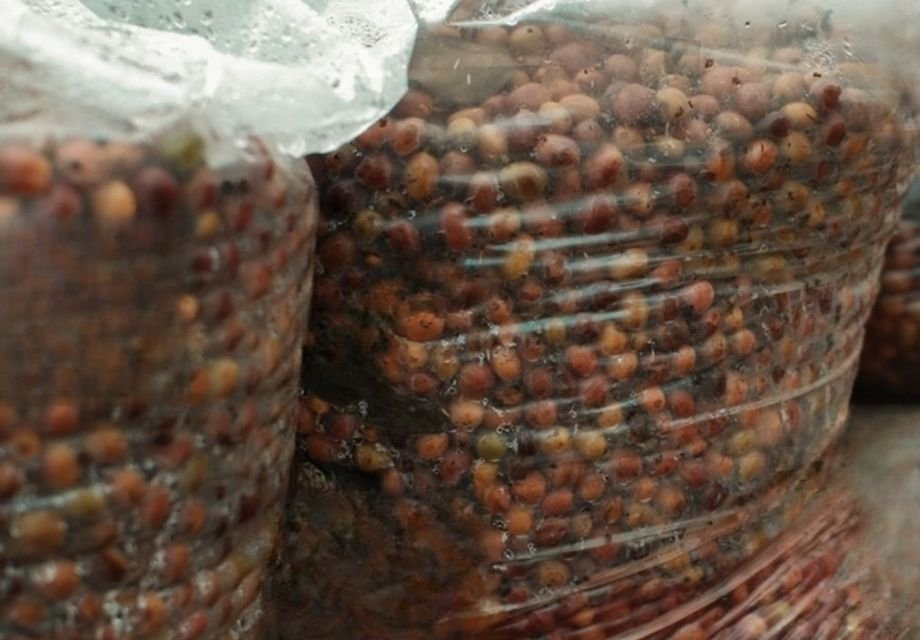
The bean rests inside the fruit for 72 or 96 hours depending on the lot. In aerobic fermentation, oxygen activates yeasts and bacteria that generate notes of red fruits, plum, and bright acidity. In anaerobic fermentation, the absence of oxygen deepens the profile — developing more tropical, winey notes with greater complexity. This is the heart of the process — where each lot’s personality is born.
Cherry fermentation — aerobic or anaerobic
The bean rests inside the fruit for 72 or 96 hours depending on the lot. In aerobic fermentation, oxygen activates yeasts and bacteria that generate notes of red fruits, plum, and bright acidity. In anaerobic fermentation, the absence of oxygen deepens the profile — developing more tropical, winey notes with greater complexity. This is the heart of the process — where each lot’s personality is born.
Pulping after fermentation
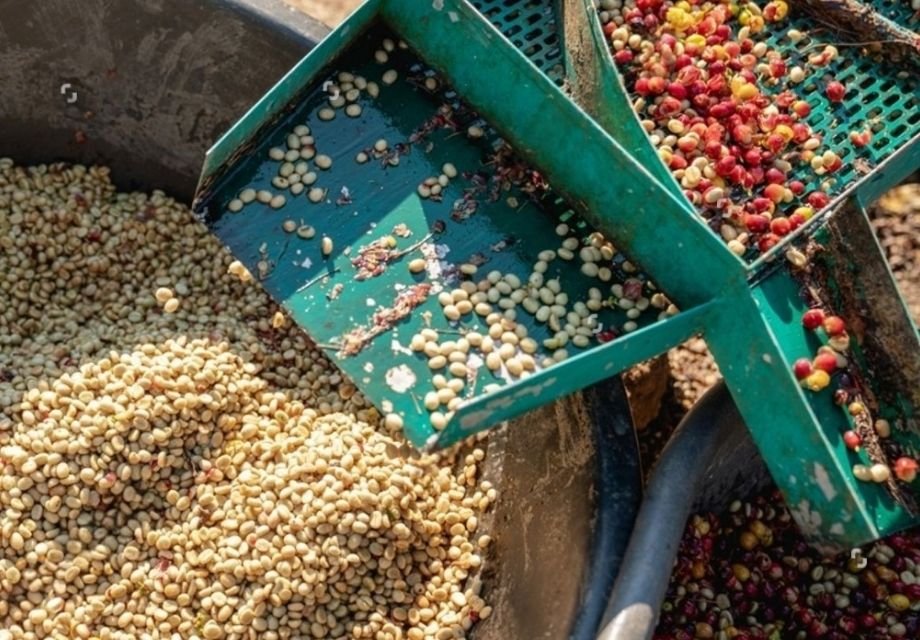
Once the fermentation hours are complete, the cherry is pulped. The outer skin is removed to expose the bean with its mucilage — ready to enter the second fermentation stage that will refine and clean its flavor profile.
Pulping after fermentation
Once the fermentation hours are complete, the cherry is pulped. The outer skin is removed to expose the bean with its mucilage — ready to enter the second fermentation stage that will refine and clean its flavor profile.
Final bean washing
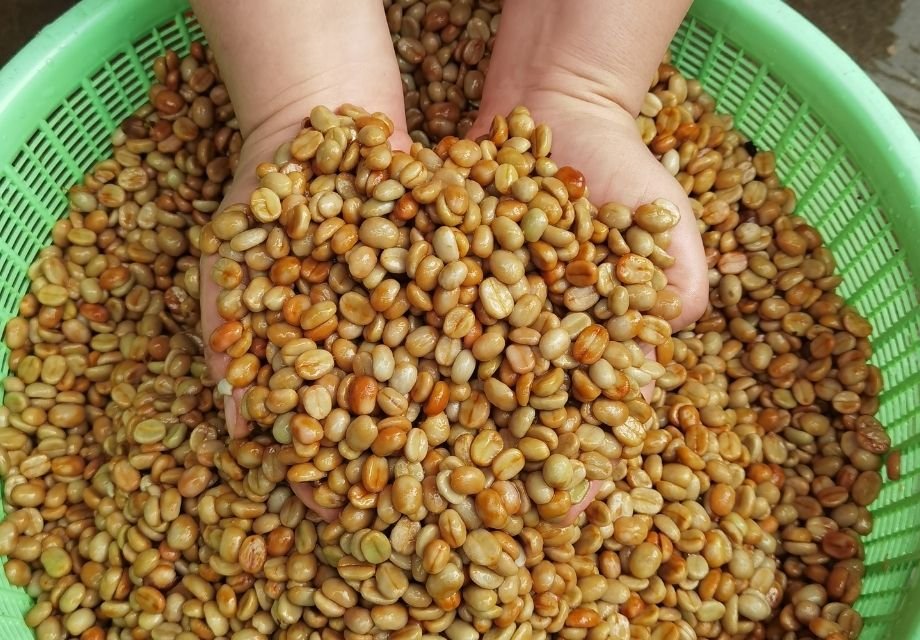
After tank fermentation, the bean is washed with clean water to completely remove mucilage residue. This step seals the process’s cleanliness and prepares the coffee for drying — guaranteeing a clear, precise cup with no off-notes.
Final bean washing
After tank fermentation, the bean is washed with clean water to completely remove mucilage residue. This step seals the process’s cleanliness and prepares the coffee for drying — guaranteeing a clear, precise cup with no off-notes.
Drying on African raised beds under greenhouse
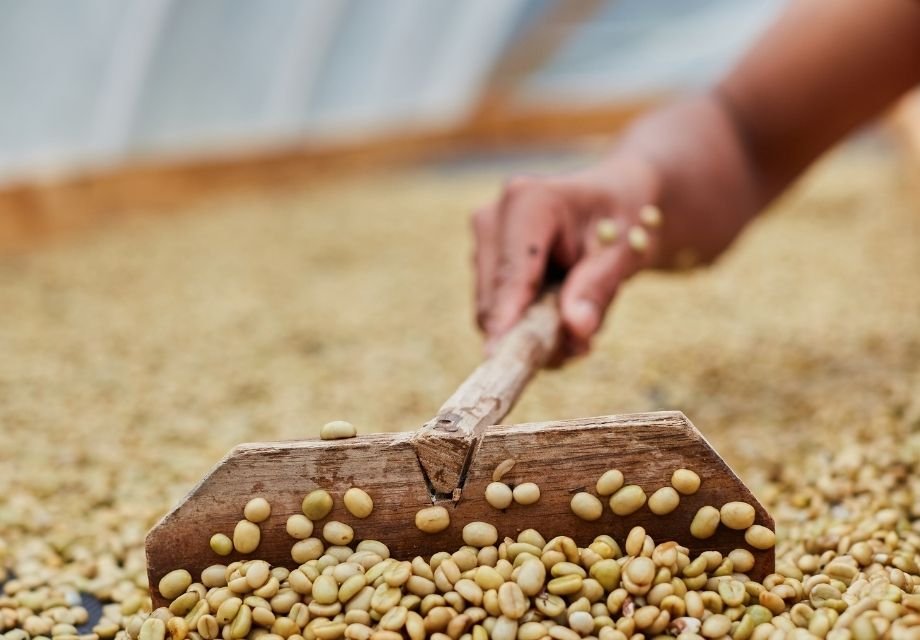
The coffee is spread on elevated African beds inside the greenhouse, where air circulates naturally above and below the bean. This slow, controlled drying method preserves all the aromatic complexity developed during fermentation — no rush, no shortcuts.
Drying on African raised beds under greenhouse
The coffee is spread on elevated African beds inside the greenhouse, where air circulates naturally above and below the bean. This slow, controlled drying method preserves all the aromatic complexity developed during fermentation — no rush, no shortcuts.
Hulling
Once dry, the parchment coffee goes through the huller to remove the bean’s last protective layer — the parchment. What remains is the green bean in its final state, ready to enter the roaster with all its quality intact.
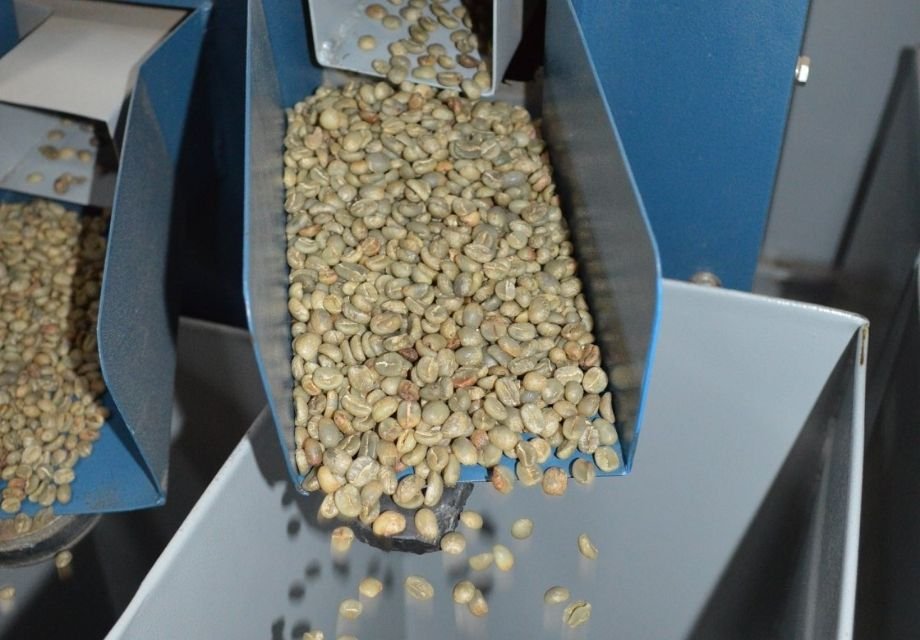
Hulling
Once dry, the parchment coffee goes through the huller to remove the bean’s last protective layer — the parchment. What remains is the green bean in its final state, ready to enter the roaster with all its quality intact.
Hand sorting — bean by bean
After hulling, the coffee goes through meticulous hand sorting. Bean by bean, expert hands remove defective, broken, misshapen, and unevenly colored ones. This step — slow, demanding, and entirely human — is the final quality filter before roasting. At Altora, no machine replaces this judgment.
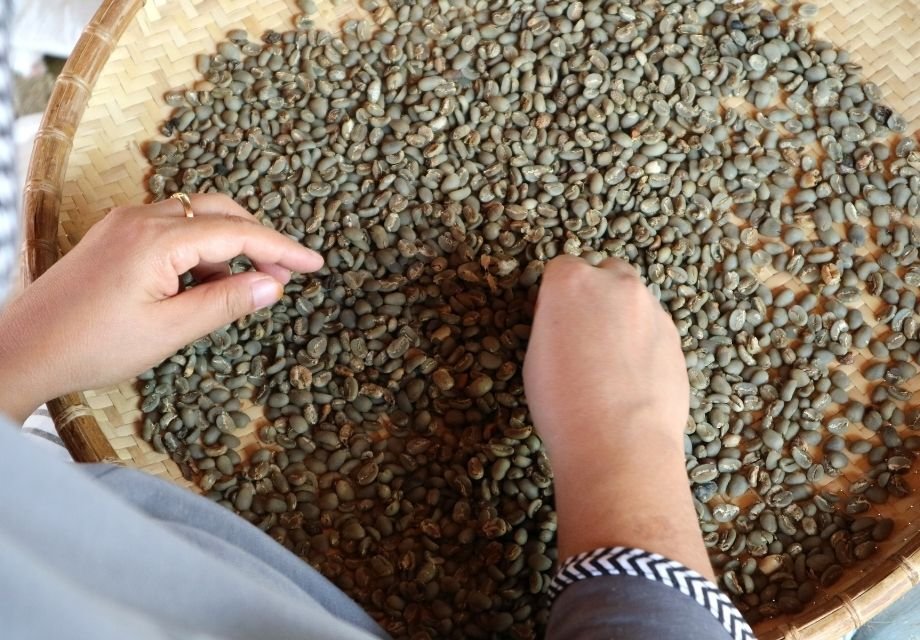
Hand sorting — bean by bean
After hulling, the coffee goes through meticulous hand sorting. Bean by bean, expert hands remove defective, broken, misshapen, and unevenly colored ones. This step — slow, demanding, and entirely human — is the final quality filter before roasting. At Altora, no machine replaces this judgment.
Medium-high roast — character and balance
Roasting is the moment the bean reveals its full potential. At Altora we apply a medium-high roast designed to honor the complexity of the process without sacrificing structure — developing body, sweetness, and acidity in perfect balance. Each lot has its own roast profile according to its variety and process.
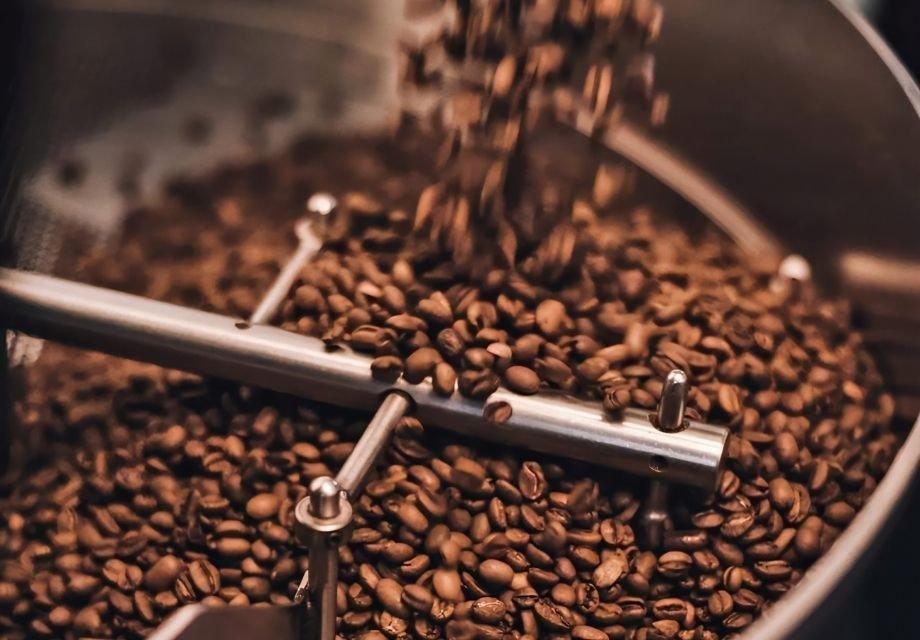
Medium-high roast — character and balance
Roasting is the moment the bean reveals its full potential. At Altora we apply a medium-high roast designed to honor the complexity of the process without sacrificing structure — developing body, sweetness, and acidity in perfect balance. Each lot has its own roast profile according to its variety and process.
Medium grind — precision for every method
The roasted coffee is ground to a medium grind, calibrated to deliver the best results across the most popular brewing methods — V60, Chemex, French press, and soft espresso. A precise grind is the difference between a good cup and an exceptional one.
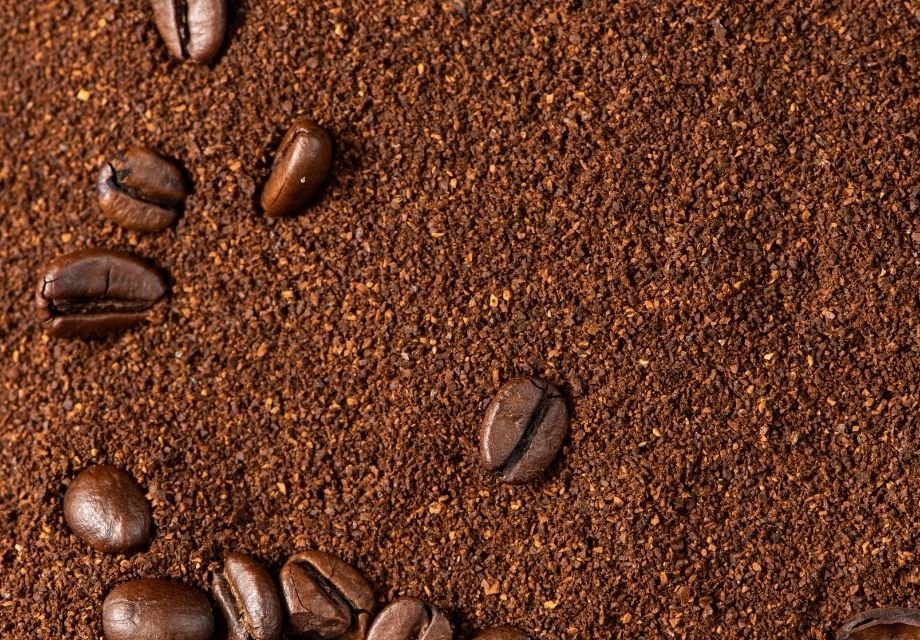
Medium grind — precision for every method
The roasted coffee is ground to a medium grind, calibrated to deliver the best results across the most popular brewing methods — V60, Chemex, French press, and soft espresso. A precise grind is the difference between a good cup and an exceptional one.
Packaging — sealed with purpose
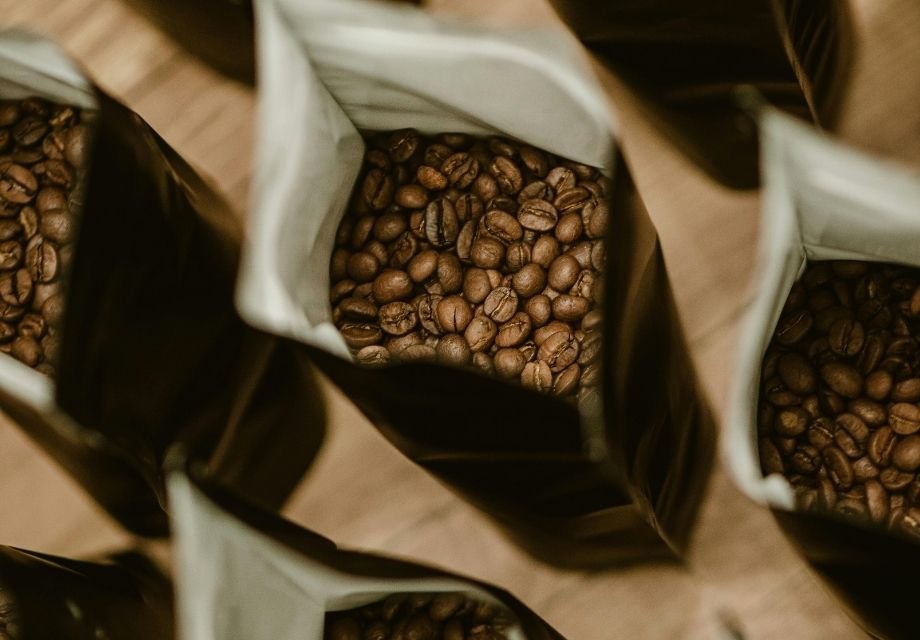
The ground coffee is packaged immediately to preserve freshness. Every bag leaves our hands with the producer’s name, the farm, the variety, the process, and the lot number — because at Altora every package is a certificate of origin, traceability, and respect.
Packaging — sealed with purpose
The ground coffee is packaged immediately to preserve freshness. Every bag leaves our hands with the producer’s name, the farm, the variety, the process, and the lot number — because at Altora every package is a certificate of origin, traceability, and respect.